Rental Listing Scam Check: Verify the Home Before You Pay
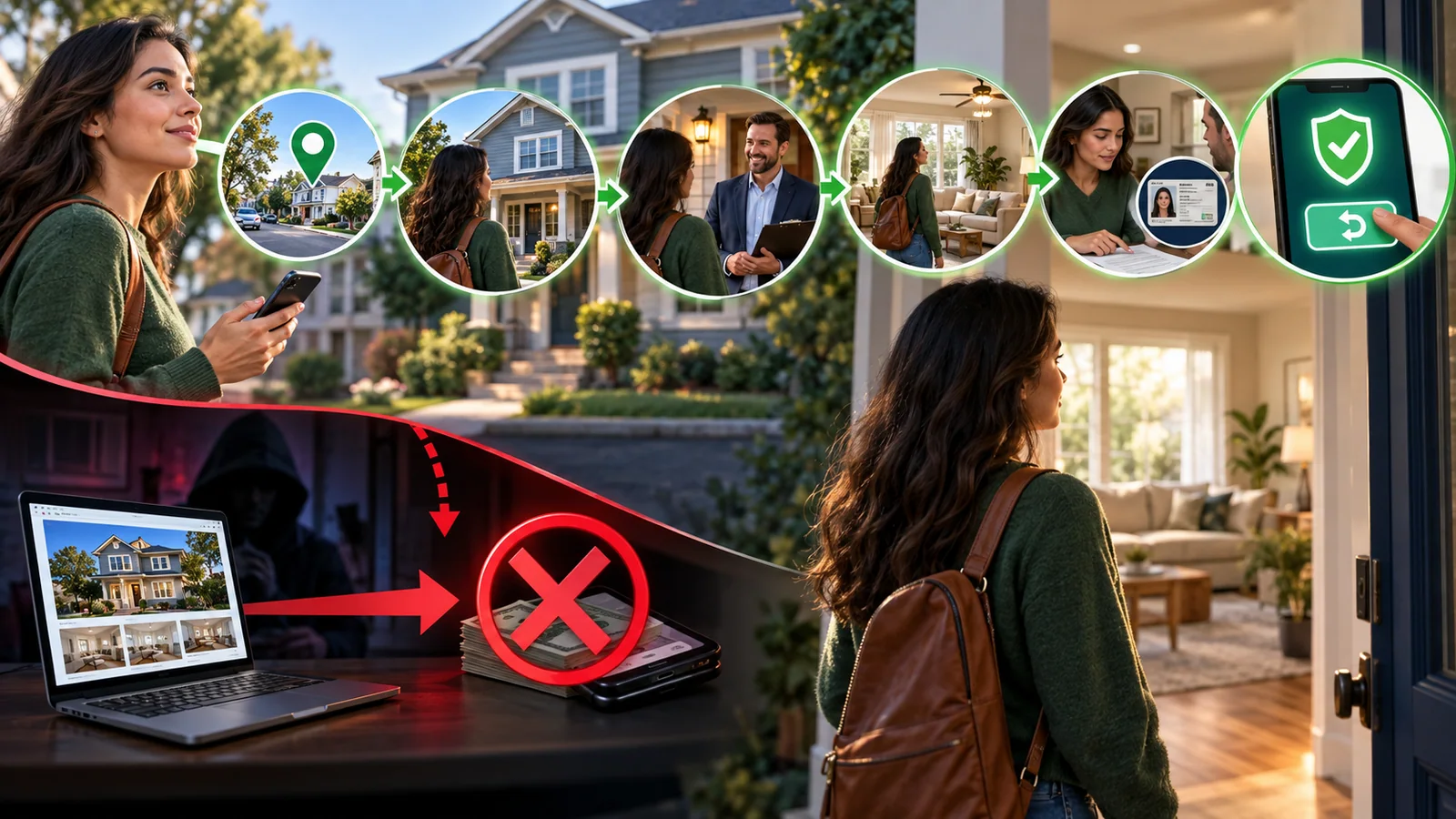
Image: House Leases
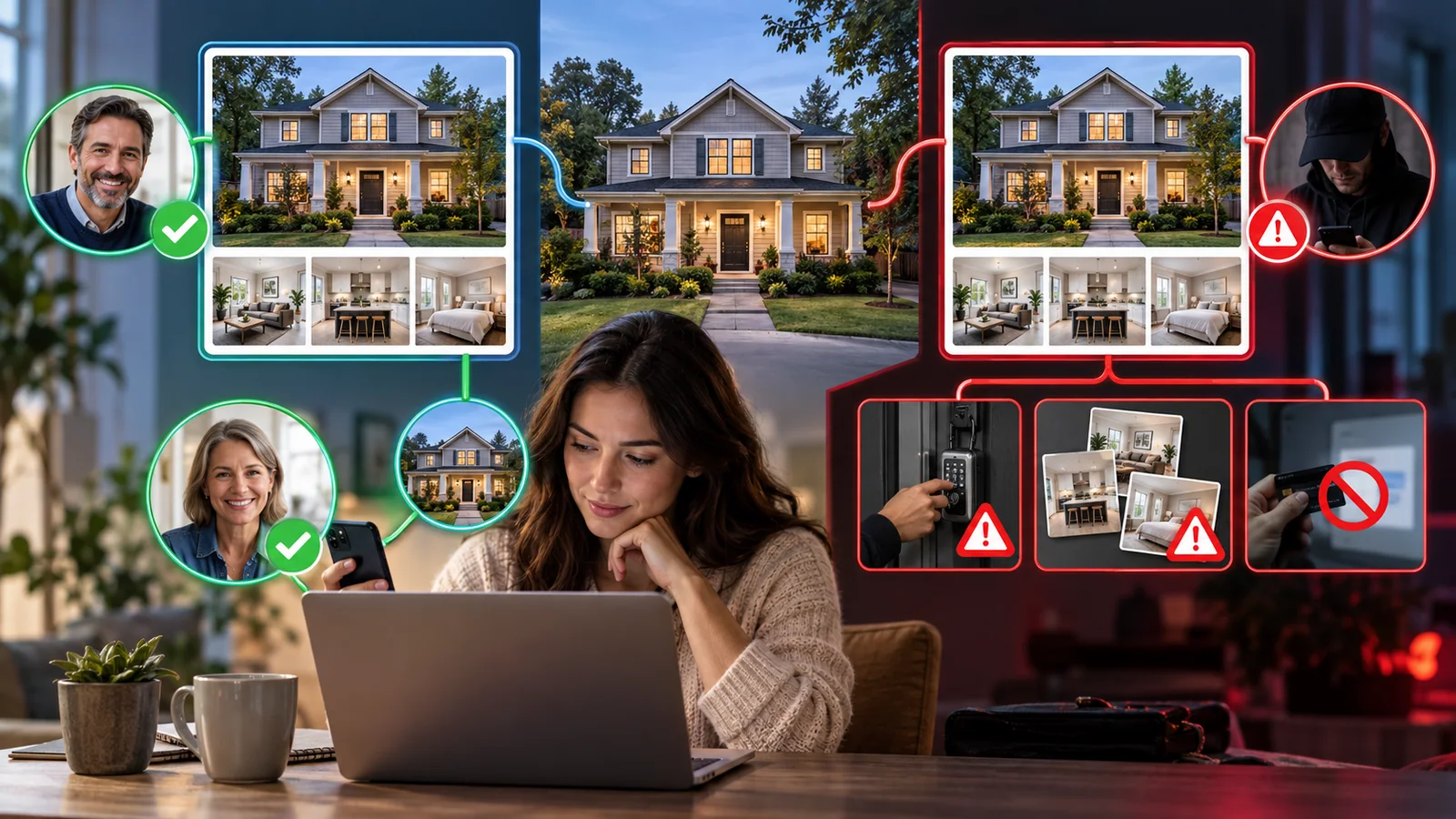
A polished rental listing can still be fake. Scammers copy real photographs and descriptions, replace the contact details, and pressure applicants to pay before discovering that the person offering the home does not control it.
The Federal Trade Commission reported in December 2025 that consumers had reported nearly 65,000 rental scams since 2020, with about $65 million in reported losses. The FTC also warned in July 2026 about fake listings aimed at military families during moves.
Those reports are not a count of every scam. They are a reason to verify the transaction before money or personal data moves.
1. Search the full address
Look for the same home on several sites. Compare rent, photographs, availability dates, contact names, and whether another listing says the property is for sale.
Conflicting information is not automatic proof of fraud, but it requires an explanation from a verifiable owner, licensed agent, or property manager.
2. Verify who controls the property
Ask for the legal name of the landlord or management company and a business contact method. Check applicable public records and licensing sources for the jurisdiction. Independently find the company’s official phone number instead of relying only on the number in the ad.
A photograph of an ID is not enough. Stolen identities and forged documents can be used to support a fake listing.
3. See the home through a credible process
An in-person viewing is strongest. If distance makes that impossible, request a live video tour that responds to real-time instructions and shows the exterior, unit number where appropriate, and specific interior details.
Excuses may sometimes be legitimate. Repeated refusal to show the property, combined with payment pressure, is a reason to walk away.
4. Get the full price in writing
Ask for rent plus every mandatory recurring and one-time charge. The FTC has emphasized that consumers should not have to wait until lease signing or the first bill to learn the total cost.
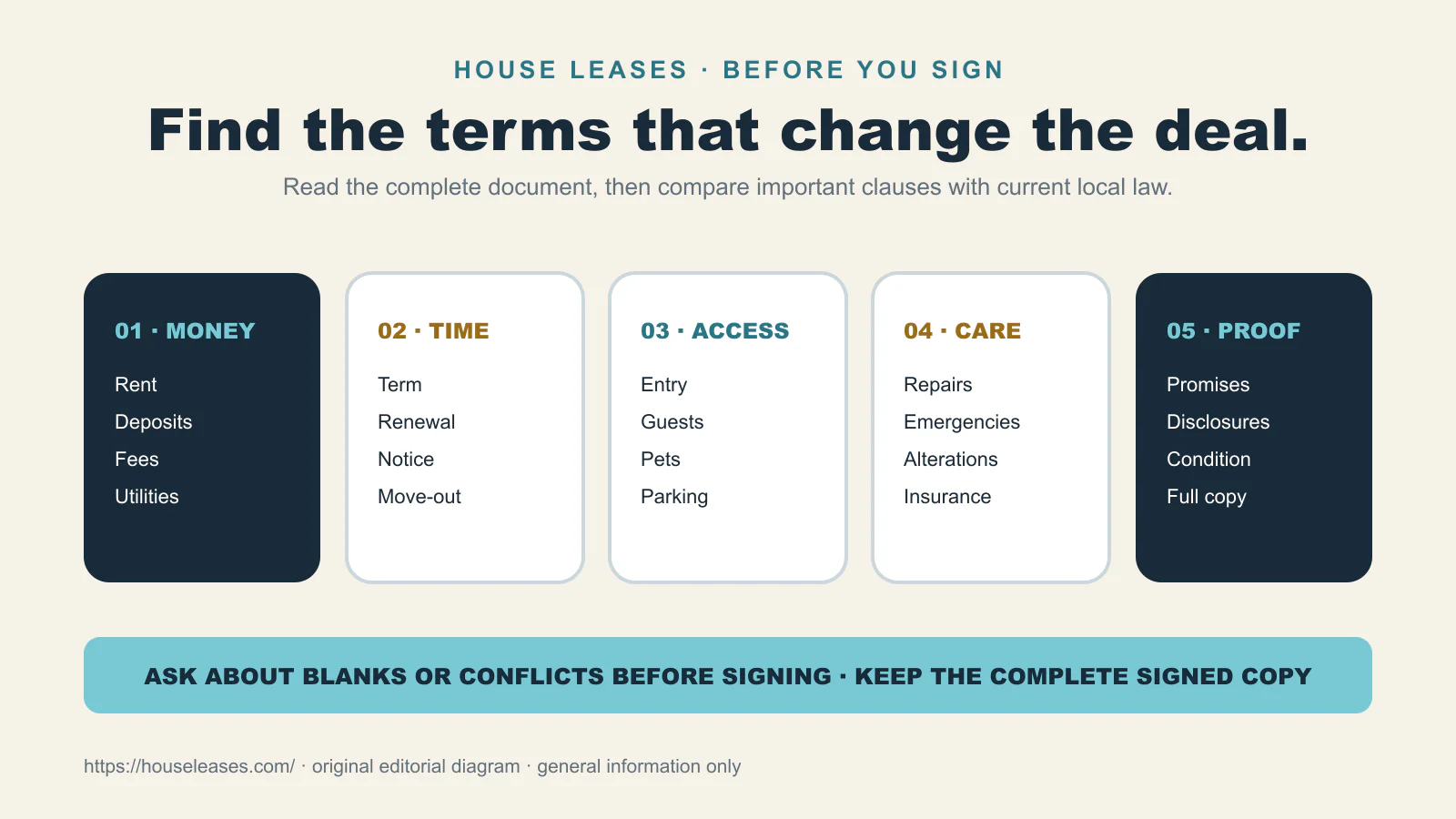
Compare the written charge list with the lease before signing. State and local law may regulate application fees, deposits, screening, disclosures, and how money must be handled.
5. Protect sensitive information
Do not send a Social Security number, driver’s licence, pay stubs, banking details, or credit screenshots merely to “hold” a viewing. Use the verified application process of the actual owner or manager.
Be suspicious of a link that promises a very cheap credit check but enrolls users in a recurring membership. Legitimate screening can still require data, but the recipient and purpose should be verified first.
6. Reject irreversible payment pressure
The FTC warns against demands for gift cards, cryptocurrency, wire transfers, or cash-only payment. These methods can be difficult to reverse. Do not let a below-market price or artificial deadline override verification.
If you think you found a scam
Save the listing, messages, payment instructions, names, phone numbers, email addresses, and transaction records. Report the listing to the platform and use ReportFraud.ftc.gov for U.S. reports. Contact the payment provider immediately if money moved.
Sources
- FTC: Rental scams hit home with $65 million in reported losses
- FTC: How to spot fake rental listings during a military move
- FTC: Rental listing scams
- USAGov: State tenant-rights resources
Source check: 1 August 2026. General consumer education only; rental law varies by location.
rental scamstenant safetyrental listingsidentity theftleasing